Breaking Bread (or Injera) in Ethiopia

Me stirring the sauce for lunch
So my first day in Ethiopia has been spent visiting the homes of families who have been helped by World Vision. Wow. The stories told by the women I’ve met about how their lives have been literally transformed have been incredible. I’ve lots to say and lots to think about.
Today I was struck by how we’ve become desensitised to the significance of sitting down to a meal with other people. I’m talking about the way that people eat in front of the television, or indeed walking down the street. I recently ate a hamburger doing just that. Eating in the street is something that’s simply not done in Ethiopia. Mealtimes are very significant here; food may not be abundant but it is served with generosity, hugely so; I found myself having to refuse at one point today, I was just so full. Ethiopians do not eat alone, they share and also they feed each other, a practice called ‘gursha’ – scooping up a piece of injera plus whatever stews and vegetables are on it, fashioning it into a little bundle and feeding it to the mouth of your family/friend/neighbour/complete stranger.
Today we were invited into the home of a woman called Hannah, literally with open arms. Hannah is a lady who has had support from World Vision, meaning she has gone from literally living on the streets, to having a home, making a living offering a laundry service to people in the community and sending her children to school and college. Her daughter is now studying computer science, volunteers for the Red Cross and wants to become a doctor. Incredible.

Hannah preparing food


Red bean sauce
We arrive at Hannah’s house as she is cooking, her kitchen consisting of a small area for chopping, a work surface and several burners; it’s an excellent use of a small space. Onions and garlic sizzle in one pot, a bright red bean stew plops away in another. A bowl on the floor contains green chillies and potatoes, another a leaf that looks like a cross between spinach and chard. It’s thrilling. The injera is made out the back, in her storage room full of hanging pots and pans and she has a stack to ready to show (and feed) us (they last about 4 days before spoiling).

Storage room, where injera is also made

Injera

The smells tantalise and we sit down to eat; a huge plate of injera arrives, rolled up at the sides like giant cushions and topped with various dishes – it’s a fasting season (for the next two months, up until Easter, many people are Orthodox Christians) and there’s no meat but everything is so full of flavour I am surprised to learn this. There’s a real intensity to the food. Some of the red bean sauce we’ve seen her cook and *cough* I have ‘helped’ to cook by er, stirring the pot a bit arrives and is poured on to the injera; there’s a red lentil stew, potatoes, a yellow lentil dish, whole green chillies and, my favourite of all, the spinach like leaf, flavoured with garlic, onions and chilli.

Lunch!
We all dive in, tearing and scooping; everyone huddled around the small table eating with our hands. Every time we pause for even a single second Hannah asks ‘why you not eat?!’ She has no worries where I’m concerned; I can’t get enough. We feed each other as part of the ‘gursha’ tradition.
Then it’s time for coffee. The Ethiopians make some of the best coffee in the world and there’s a whole ceremony to go with it. First beans are toasted over a fire, the flames fanned with a brush. Suddenly Hannah rushes towards us with the hot pan, flicking water into it as it hisses and spits, steam everywhere; she wafts the pan under our faces to let us smell the beans – bit of a shock that and very dramatic. She then grinds them with a pestle and mortar while burning incense. We drink the finished coffee black with plenty of sugar and BOOM! It’s so strong, and so good. The Ethiopians never drink coffee alone, they will call neighbours around to share it; coffee drinking is when all the issues that need discussing get thrashed out.

Toasting coffee beans


Pounding the beans
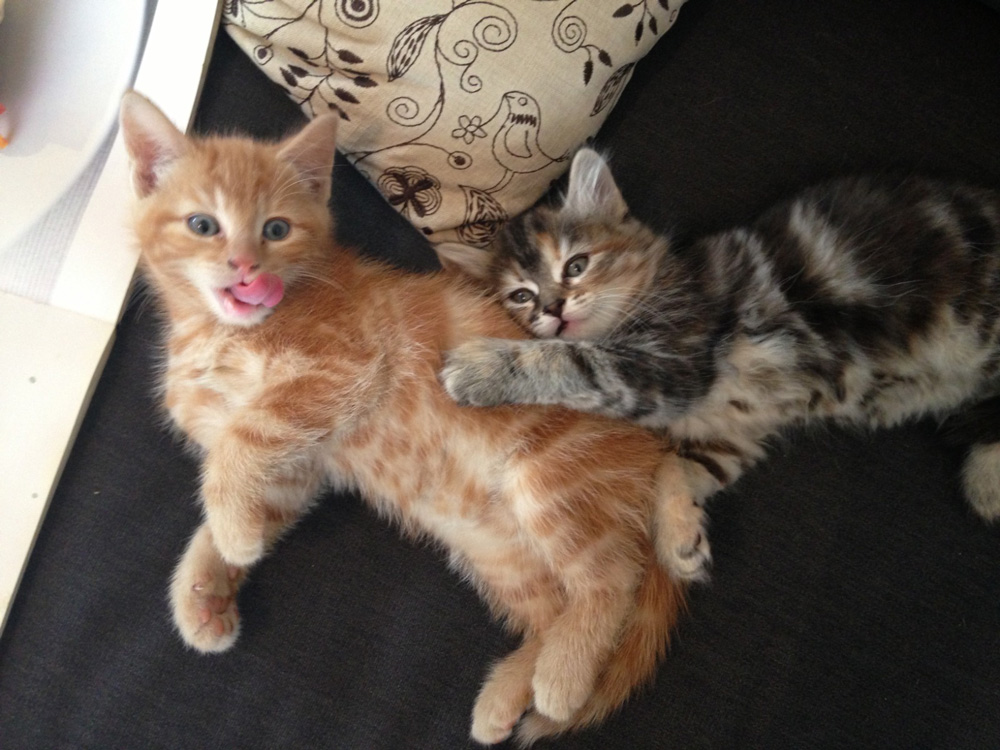
The preparation of food here takes time and effort and is so central to cultural practices and economic survival. I share meals with friends and family often, but I wondered today how much the real importance of cooking for others and breaking bread has sometimes passed me by. Mealtimes, in a way, represent stability. A place to cook, a place to serve, a place to share. Hannah can now, thankfully, count on 3 meals a day for her family, when often it used to be just one. She is extremely grateful. ‘Take my kitten!’* She says, half joking. ‘In fact, take me! It’s the least I can offer!’
Tomorrow I visit a group of HIV positive women who are taking part in a World Vision Development programme to improve their lives and the lives of their families by making the Ethiopian staple, injera. I can’t wait to hear their stories.

*I almost took the kitten.
Top photo courtesy of Kayla Robertson – World Vision
"A gourmet who thinks of calories is like a tart who looks at her watch" (James Beard)